Health
Measles deaths and infections in 2019 are set to “substantially exceed” last year’s toll when more than 142,000 people died from the preventable disease, the World Health Organization (WHO) said on Thursday.
In a warning over dangerously low vaccination levels and large outbreaks in several countries – spurred on by social media “misinformation campaigns” – the UN health agency insisted that anything less than 95 per cent coverage risked sparking an outbreak.
Samoa epidemic
In the Pacific island nation of Samoa, just 31 per cent of the island’s people have immunity against measles, the WHO said, highlighting the impact there of a single anti-vaccine group’s social media messaging.
This ‘immune amnesia’ from #measles infection leaves survivors vulnerable to other potentially deadly diseases, like influenza or severe diarrhoea, by harming the body’s immune defenseshttps://twitter.com/who/status/1202674182363996162 …
evidence shows that contracting the #measles virus can have further long-term health impacts, with the virus damaging the immune system’s memory for months or even years following infection.l
However, vaccination rates globally have stagnated for almost a decade http://bit.ly/2Pfya2l
The situation has resulted in a major health crisis, with hospitals and clinics reportedly overwhelmed and struggling to treat the most vulnerable – children under the age of five – and other patients with chronic illnesses including diabetes.
More than 60 mainly babies and young children have died since the epidemic began, with over 4,200 recorded cases, and on Thursday the Government ordered a national shutdown ahead of a mass vaccination campaign for the entire population.
“Misinformation that is spread through social media channels is really affecting the decisions of parents around whether they are going to vaccinate their children and the impact is that children are developing measles and some of them are dying,” said Dr Kate O’Brien, WHO’s Director of Immunization, Vaccines and Biologicals.
‘A collective failure’
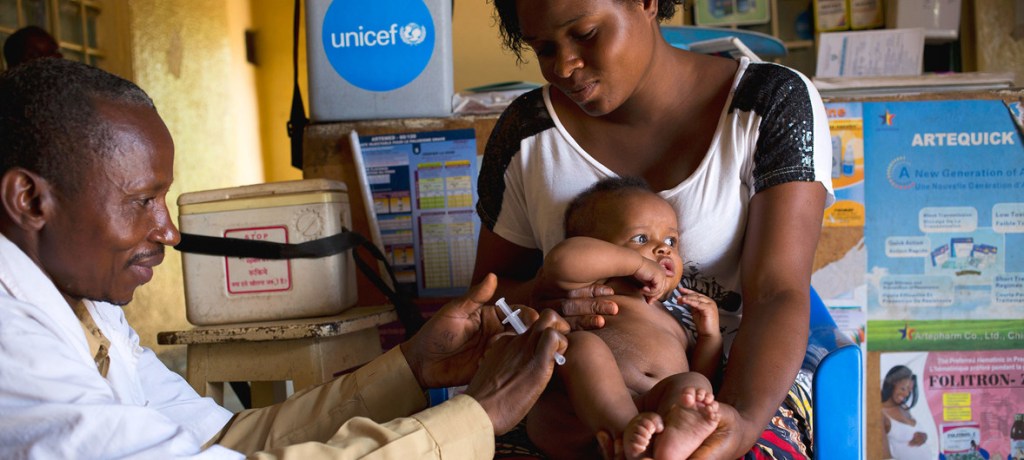
“We are all aware that there’s a safe and effective and affordable and widely available vaccine to prevent measles, it’s been around for 50 years. Hundreds of millions of people have received the vaccine and it’s really a collective failure that these outbreaks are happening and an increase in the number or cases and deaths, and the underlying reason is that people are not vaccinated.”
Today, average global vaccine coverage against measles is around 86 per cent – up from 72 per cent in the year 2000 – a measure that WHO has credited with saving more than 23 million lives during that time.
Although this is a major public health achievement – and the reason why measles deaths since the turn of the century decreased from 535,000 to 142,300 last year, little progress has been made on improving vaccine coverage “in about a decade”, Dr O’Brien explained.
 Child Right Care